

Migration is a risky and stressful time for birds. Most songbirds and shorebirds begin their flight after sunset and fly through the night when temperatures are cooler, winds are calmer and predators are less active. Guided by light from stars and the moon, birds travel over large expansions of land exhausting their energy stores and burning a significant amount of their body mass along the way. Habitat-rich daytime stopovers are critical to their survival. As they cross the Hoosier state, birds encounter a diverse span of natural habitats as well as large urban areas, which provide both benefits and challenges for migrating birds.
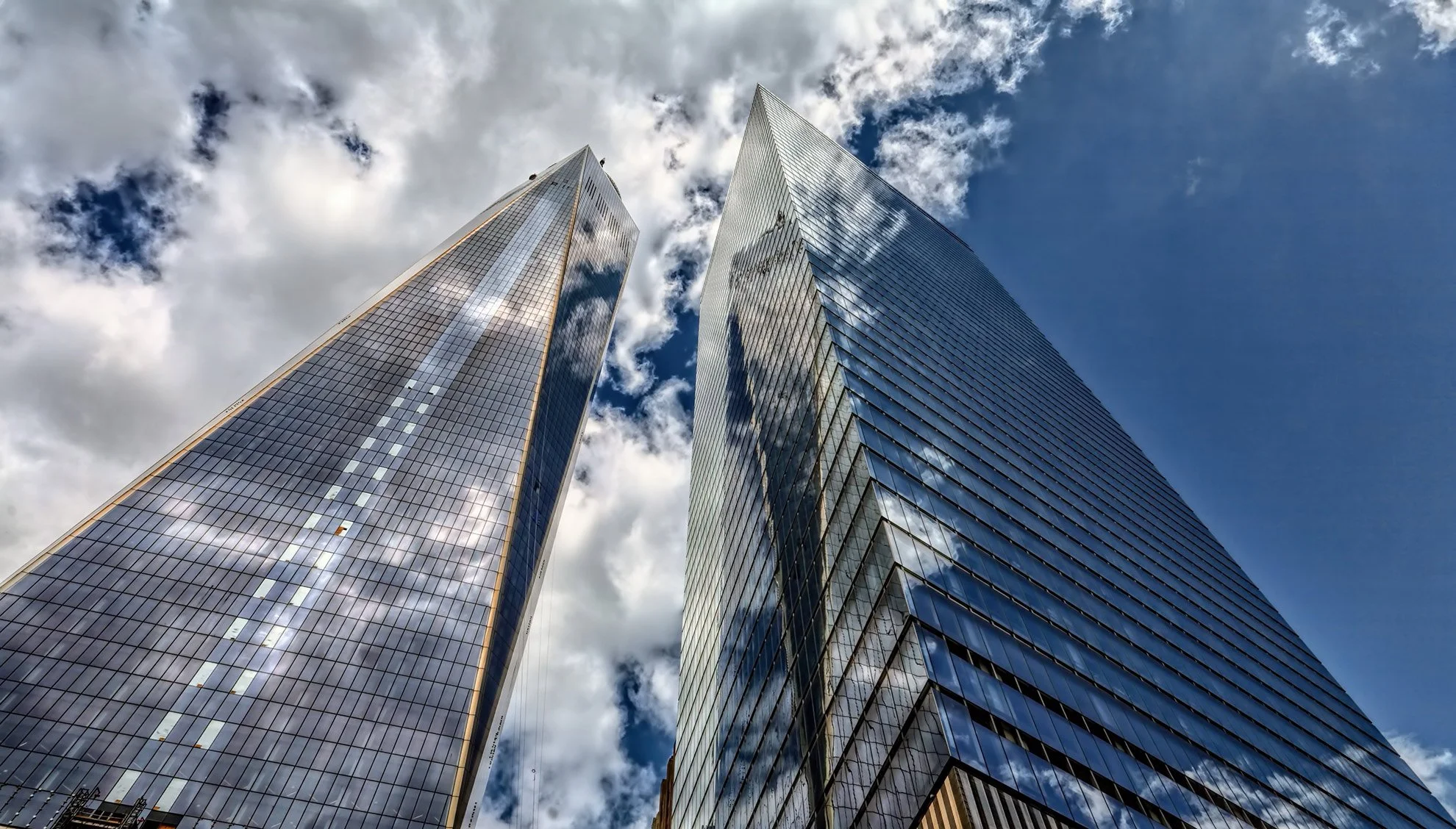
Collisions with reflective glass kill nearly 1 billion birds every year in the U.S.
Cities can become a deadly trap for migrating birds. The main reasons are artificial lights and glass buildings. Lights attract and disorient large numbers of birds, throwing them off course and wasting critical energy needed for migration. Confused and exhausted, birds increase their risk of striking a building or other urban structure. This is particularly problematic on nights when lights reflect on low-cloud ceilings, greatly disorienting and attracting birds to illuminated areas. On such nights, multiple events, each involving the death of hundreds of birds, have been documented.
When it comes to glass, birds generally don’t see clear or reflective glass as a barrier. Most collisions occur in the daytime when birds fly toward the habitat reflected in or revealed through the glass. Together, lights and glass lead to fatal collisions that kill nearly 1 billion birds each year in the U.S.
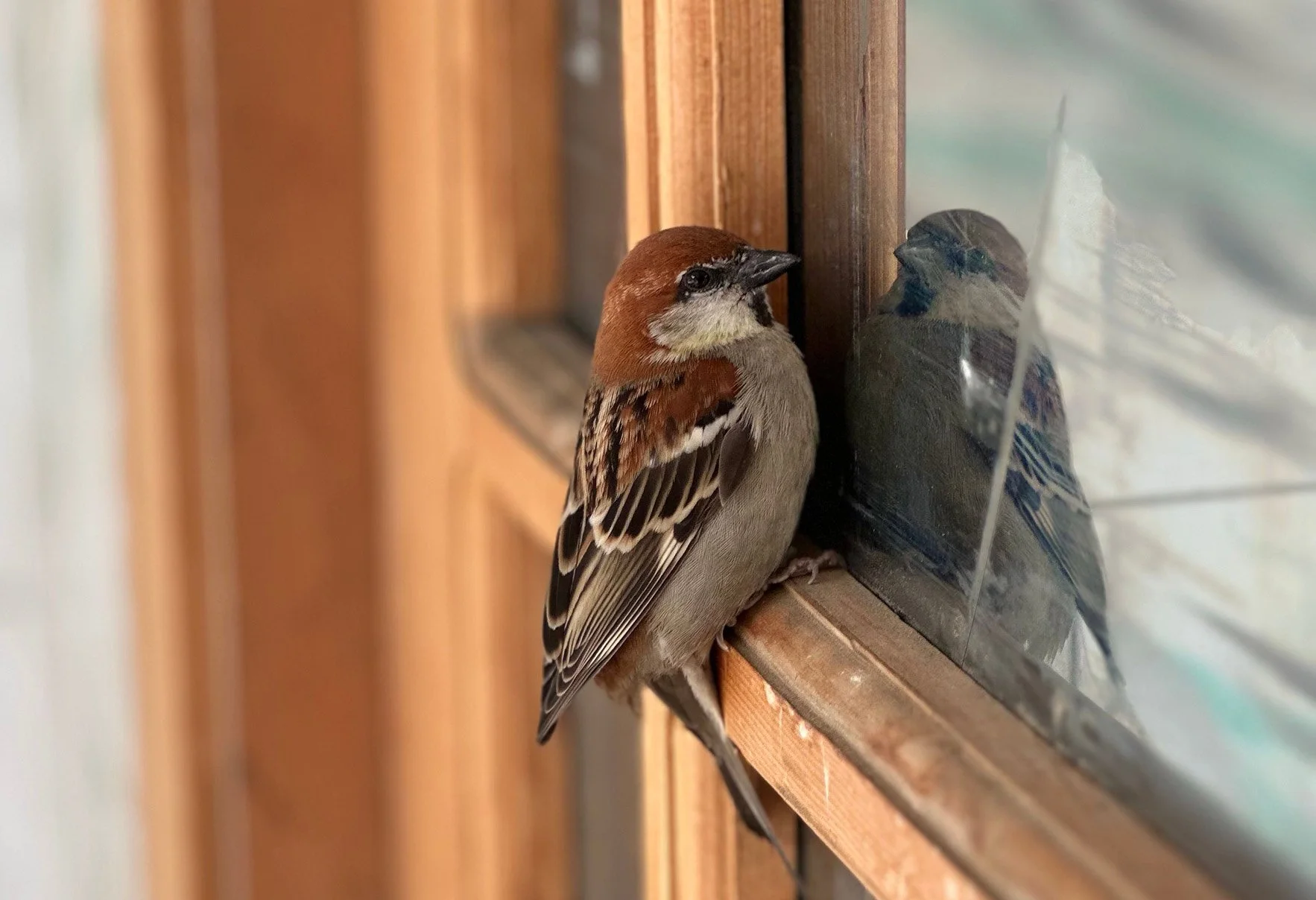
Conservationists urge eliminating or reducing unnecessary lighting during migratory periods and installing treatments or films on glass windows that disrupt the open space birds see.
To counter these effects, conservationists urge communities to eliminate or reduce unnecessary lighting during critical migratory periods. Changing out bright white or blue lights, which are especially disorienting to birds, for warmer colors, like red, orange, and yellow, which are less harmful, can help. When it comes to glass, installing window treatments or films that reduce the transparency and reflectiveness of glass and disrupt the illusion of an open space that birds see are key to reducing bird strikes.
In an urban environment, it’s hard to overstate the importance of high-quality green spaces for migrating birds. City parks, greenways, wildlife corridors, streams and lakes, even wooded and well-vegetated residential neighborhoods serve as a critical habitat for migrating birds.
